The Boss DD3 Never Fails

We all want bullet proof gear that does the job and keeps doing the job year after year. And we want it to do what it says on the label.

The Boss DD3 is a workhorse pedal that’s stood the test of time. It’s on a lot of professional pedalboards. It’s in a lot of home rigs. And it will get you the sounds you need in most any gig, from country, to rock, to a lot of other styles. A lot of pedals have modulation, but the DD3, being 12bit, sounds almost that to me. A little whammy bar and it’s pretty much there. There are a lot of things it can do. Here are a few of my favorite settings:
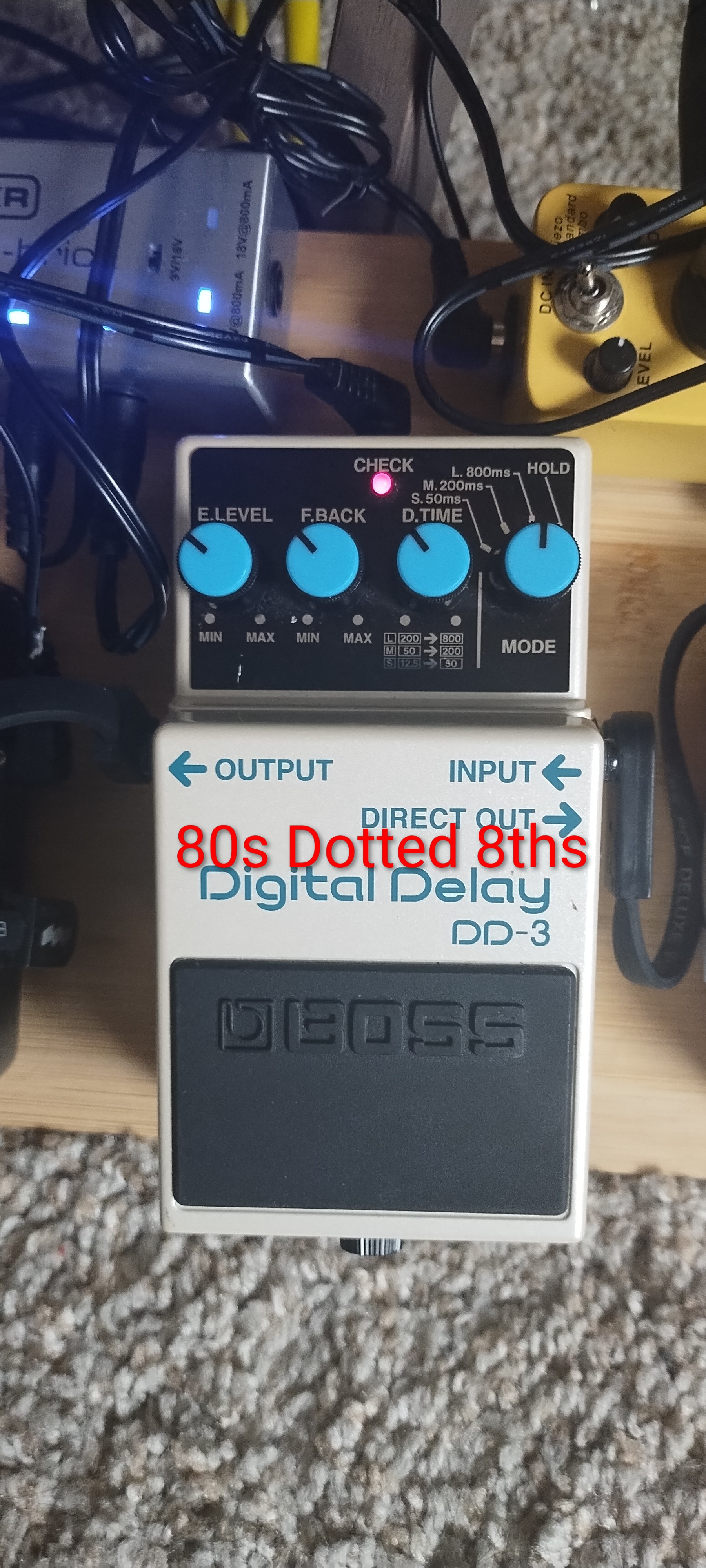
I call this one my U2/Eric Johnson/ Pat Metheny setting. But they all use modulation, you say. You won’t miss it.
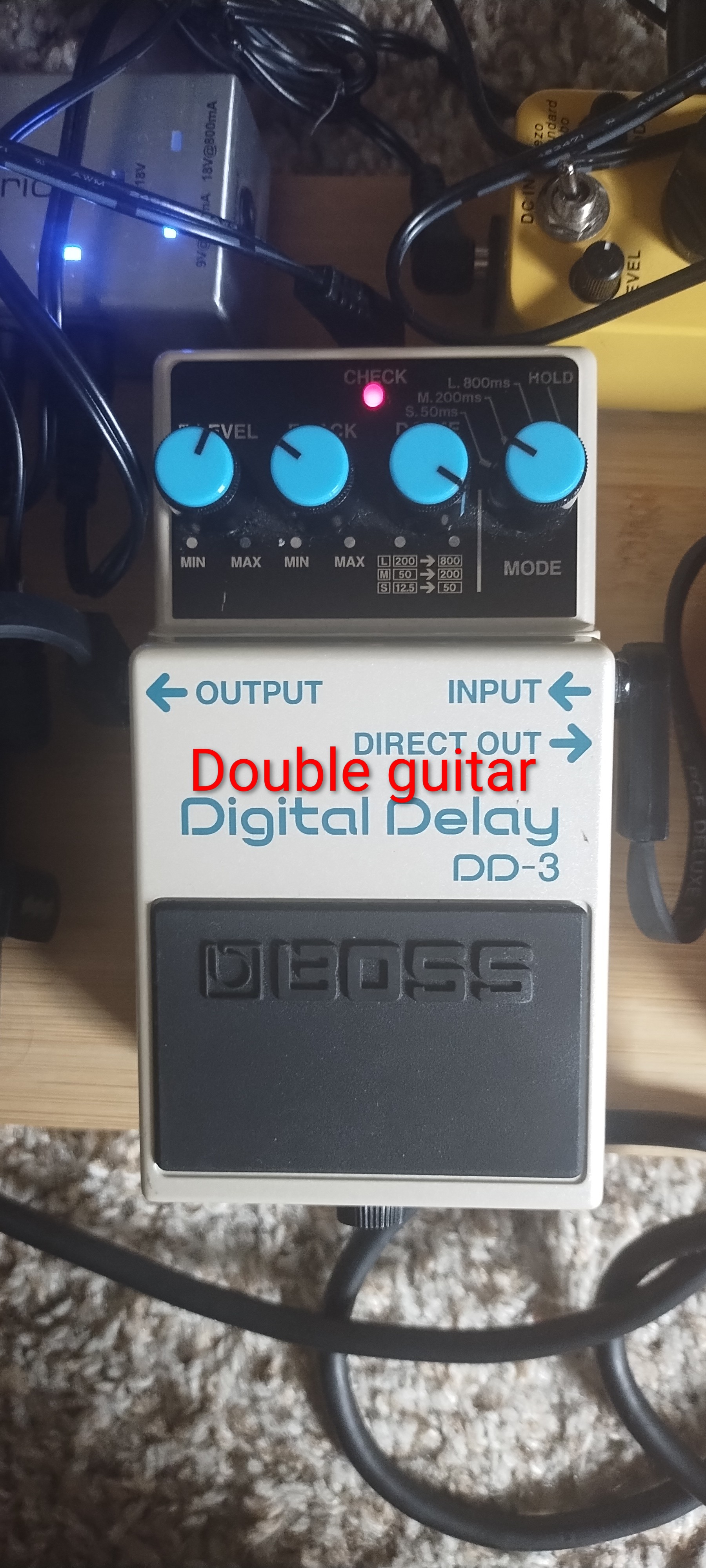
Doubled guitar sounds awesome on acoustic, especially in stereo. This setting does that in both mono and stereo, as well as thickening electric guitar. But you can also faux stereo-ize an entire mono rig by putting this at the end of your effects and splitting it between two amps. Get ready for a huge sound.
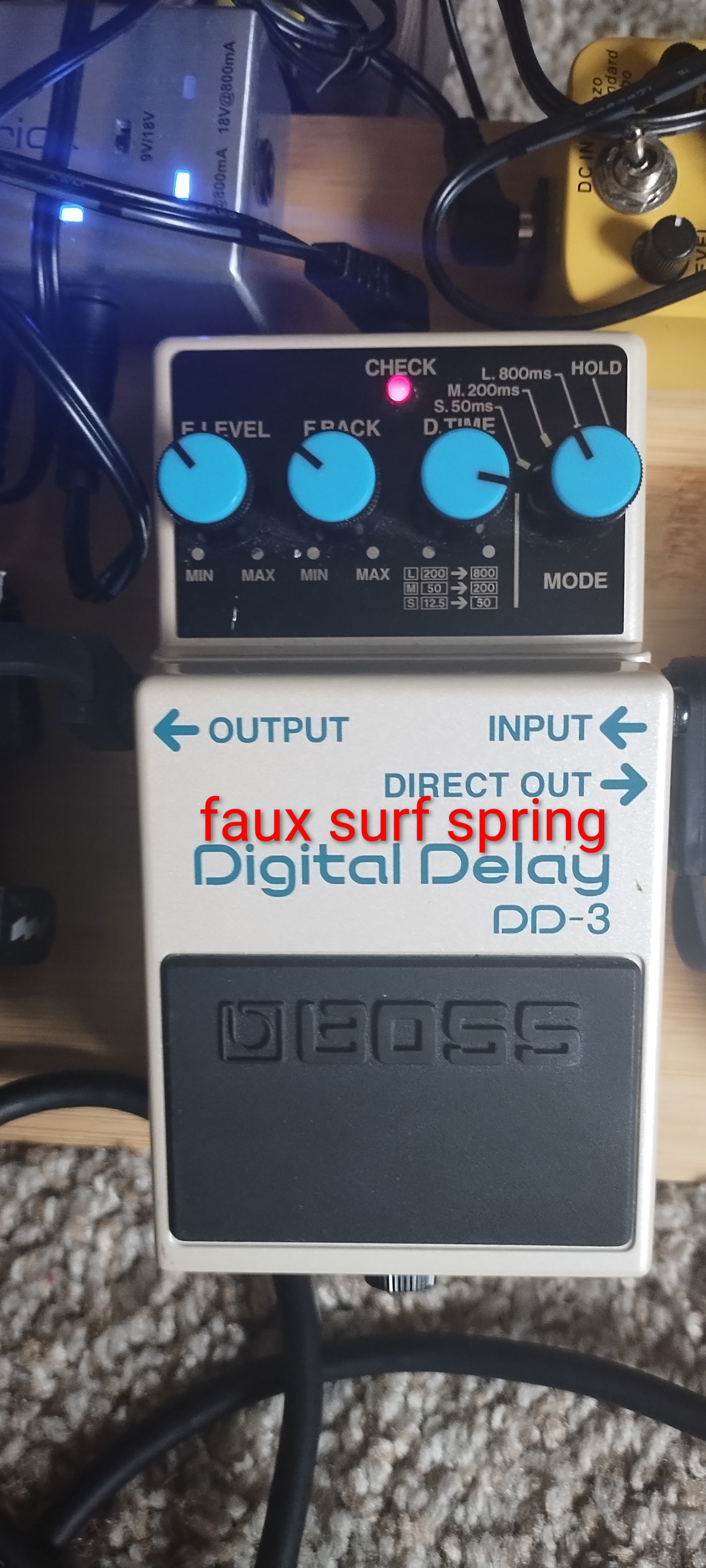
Will it work for surf? Most definitely. Hey anybody can get the right sound from the exact right equipment. This one forces you to be creative.
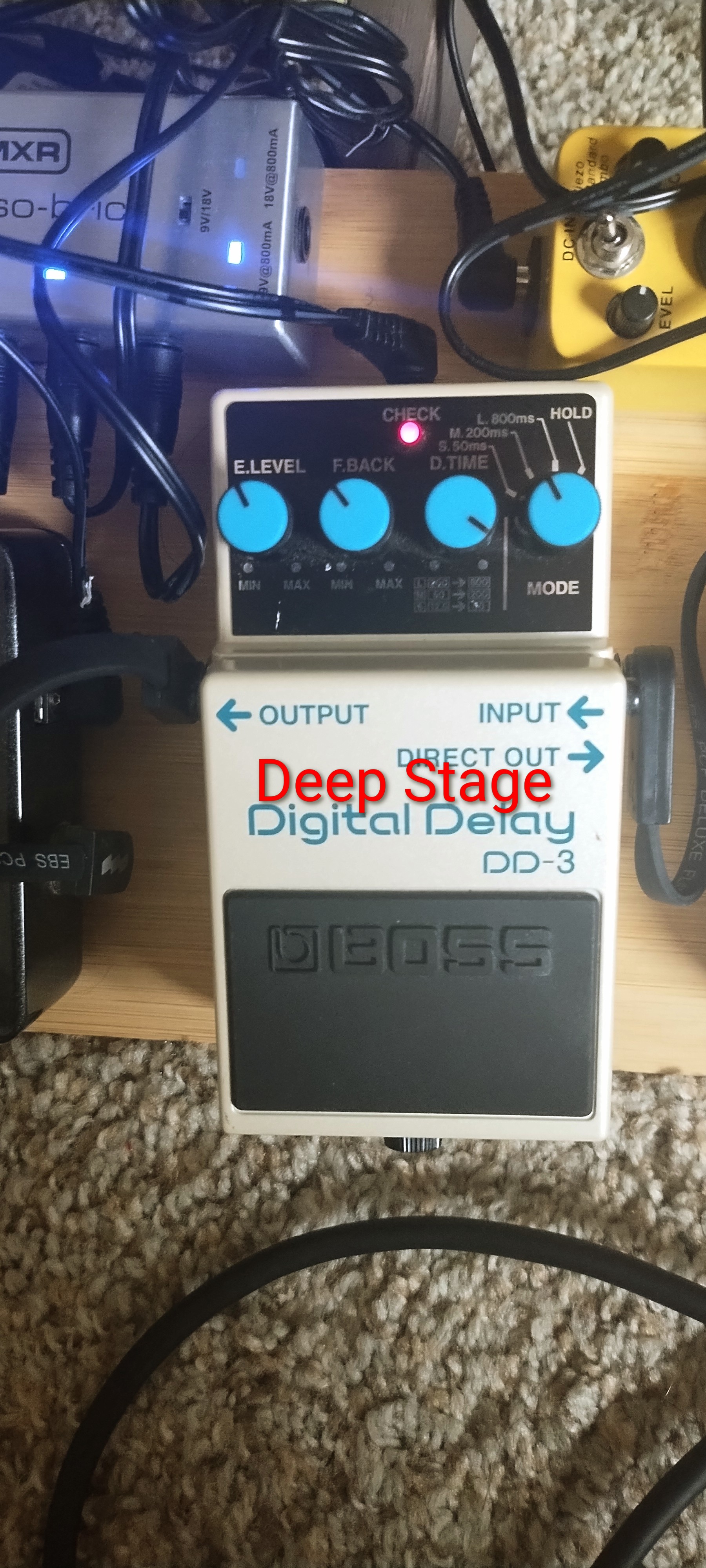
This one is for a lot of things, especially jazz chord melody. But it also works great on acoustic guitar.

There are many more settings which i haven’t shown, including:

slapback delay

harmonizing delay al la Queen’s Brian May

Faux bassline using the sample mode tuned up an octave then turned down

Short sequence played slightly up a key then tuned down to match the key and tempo you want.

Buy one and keep it. It should be in everyone’s guitar case.

And that’s that.

Is Selling Guitar Pedals Profitable?

Its a dream business for many of us. My own personal role model for this was the now gone pedal geek.com. Those who remember it well know that it was a haven on the net to browse some boutique pedals you’d never see on the big seller sites.

But to accomplish what pedalgeek did took a lot of work and positioning oneself getting to know suppliers. It’s not something you or I could do overnight.

That leaves most of us with trading pedals we’ve tried but don’t want or need to thin out to pay bills with. Those are our realities. No harm no foul.

There are three or four places to sell your pedals without too much trouble: reverb.com, eBay, mercari, and your local FB market. I find mercari to be the slowest way to sell. Generally, I sell on either reverb.com or local FB. My basic rule of thumb is: $50 and over, sell on reverb. $50 and under sell on local FB. I also prefer to sell anything bigger than a pedal on local market. This will save you a lot on shipping.

As far as pedal shipping cost, you really shouldn’t have to pay more than $7 to $12 to send an average Boss, MXR, EHX, or Keeley size pedal in the lower 48 states. It depends on how you pack it.

I only put bubble wrap on the front of the pedal. The back doesn’t need protection so much as the knobs on the front. Place this in either a bubble envelope from Dollar Tree or a flat rate bubble envelope from the post office and you will be shipping within the $7 to $12 range.

All in all, pedal flipping isn’t really a source of income for me. I meet people and try out some pedals I otherwise wouldn’t get a chance to. If I don’t make a profit off the sale ( bought for $100 sold for $90) I look at it as at least trying out a a$100 pedal for $10 bucks plus shipping.

And that’s that.